Eco-Friendly Trends in Camping Gear Supplier Manufacturing
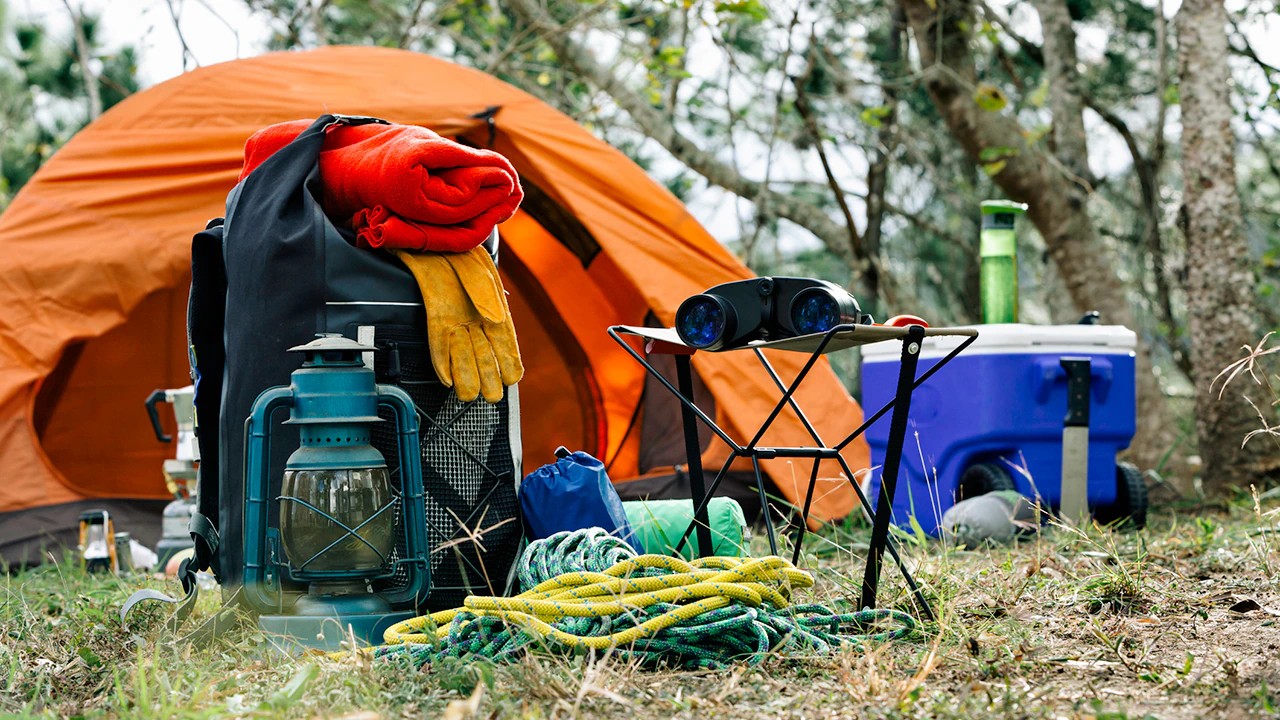
There have been many changes in the manufacturing process for camping gear products. People are becoming more interested in the manufacturing processes of the products they purchase, the materials used to manufacture these items, and the amount of waste generated. This has resulted in changes to the manufacturing processes of a camping gear supplier, reduced pollution, and the use of materials with lower environmental impacts. Sustainable manufacturing is no longer an emerging niche in outdoor product manufacturing; it is now commonplace.
Recycled Material Use
The biggest changes observed in the manufacturing process of camping gear products relate to the use of recycled materials. Recycled polyester, plastic, and metals have all been utilized to manufacture camping gear products. These materials have helped in reducing waste material while ensuring that products are still durable enough.
Recycled materials commonly utilized in production:
- Recycled polyester fabric
- Recycled stainless steel
- Recycled plastic components
- Reused packaging materials
Everich Outdoor is currently incorporating recycled materials into some of its camping gear products to encourage material waste reduction during manufacturing.
Reduced Plastic Packaging
The classic method of packaging for outdoor equipment consists of bulky plastic packaging as well as foam protection. Vendors are reducing packaging, using more recycled materials to cut waste, lowering shipping costs, and saving warehouse space.
Longer Product Lifespan
Environmental manufacturing involves more than just materials. Suppliers focus on product longevity to reduce replacements. They use robust sewing, solid construction, and tough fabrics as key strategies.
What manufacturers are now considering:
- Fabric durability
- Reinforced seams
- Rust-resistant hardware
- Replaceable parts
Long-lasting products create less waste over time.
Solar Energy in Factories
In today’s world, some camping equipment manufacturers have adopted solar energy technology as an alternative to minimize their dependence on conventional power sources. The solar panels fixed on the roof will assist in generating power for the machinery used in production as well as lighting. Everich Outdoor adopts power-saving methods in its production processes for camping equipment.
Water Saving Production Methods
A lot of water is used in the manufacturing process and during dyeing. As a way of addressing this problem, there are companies that are adopting clean dyeing and installing machinery that helps in the recycling of water within their premises. This will help minimize water waste during manufacturing. Producers are also aiming to decrease chemical wastage through fabric treatment.
Lightweight Product Design
Current camping gear is becoming lighter without sacrificing quality. The lightweight gear utilizes fewer resources during production and minimal energy during transportation. This development is prevalent in tents, backpacks, and chairs.
Benefits of lightweight production include:
- Lower transportation cost
- Reduced material use
- Easier carrying for users
- Lower shipping emissions
This approach supports both environmental goals and practical outdoor use.
Reusable Outdoor Products
The providers are now manufacturing reusable camping products rather than disposable products. The reusable water bottles, food containers, and utensils are now replacing the disposable plastic products in outdoor markets. Everich Outdoor is developing durable camping drinking products and outdoor products that can last forever without being replaced after a specific period.
Eco-Friendly Fabric Choices
Camping gear manufacturers now use eco-friendly coatings, replacing harmful waterproofing materials with greener methods. Popular fabric choices now include:
- Recycled polyester
- Organic cotton blends
- PVC-free coatings
- Water-resistant nylon alternatives
Such materials enable decreasing adverse production impacts while retaining the outdoor properties.
Waste Reduction During Production
Production waste is another area receiving attention. Fabric trimmings, rejected products, and leftover packaging may produce significant factory waste. The suppliers have become more efficient at cutting and recycling their leftover material.
Factories now try to:
- Reuse leftover materials
- Reduce production defects
- Improve cutting efficiency
- Separate recyclable waste
Small changes made along production processes can lead to large savings on wastage in the future.
Multi-Use Product Designs
Outdoor brands now prefer products that serve multiple purposes. One product can be used in various outdoor scenarios, making additional equipment unnecessary. This approach promotes minimal material usage while providing utility for customers. Some examples include coolers that can be worn as backpacks and tables with storage areas.
Localized Manufacturing Growth
A few manufacturers are considering producing some of their products closer to markets. Short transport times minimize shipping pollution and cut down delivery periods. Moreover, regionalized manufacturing hubs allow manufacturers to respond swiftly to consumer demands. Everich Outdoor operates manufacturing facilities in different regions to support production flexibility and reduce long shipping pressure for outdoor product distribution.
Conclusion
The eco-trends in the manufacturing of camping equipment have led to changes in the processes by which suppliers manufacture their outdoor products. More companies are recycling, reducing waste through packaging, adopting energy-saving measures, and producing long-lasting equipment that can be reused. All of these aspects reflect responsible production, although outdoor equipment is produced according to the needs of campers, tourists, and other outdoor enthusiasts.