Press Brake Backgauge Repeatability Problems and Their Hidden Impact on Parts
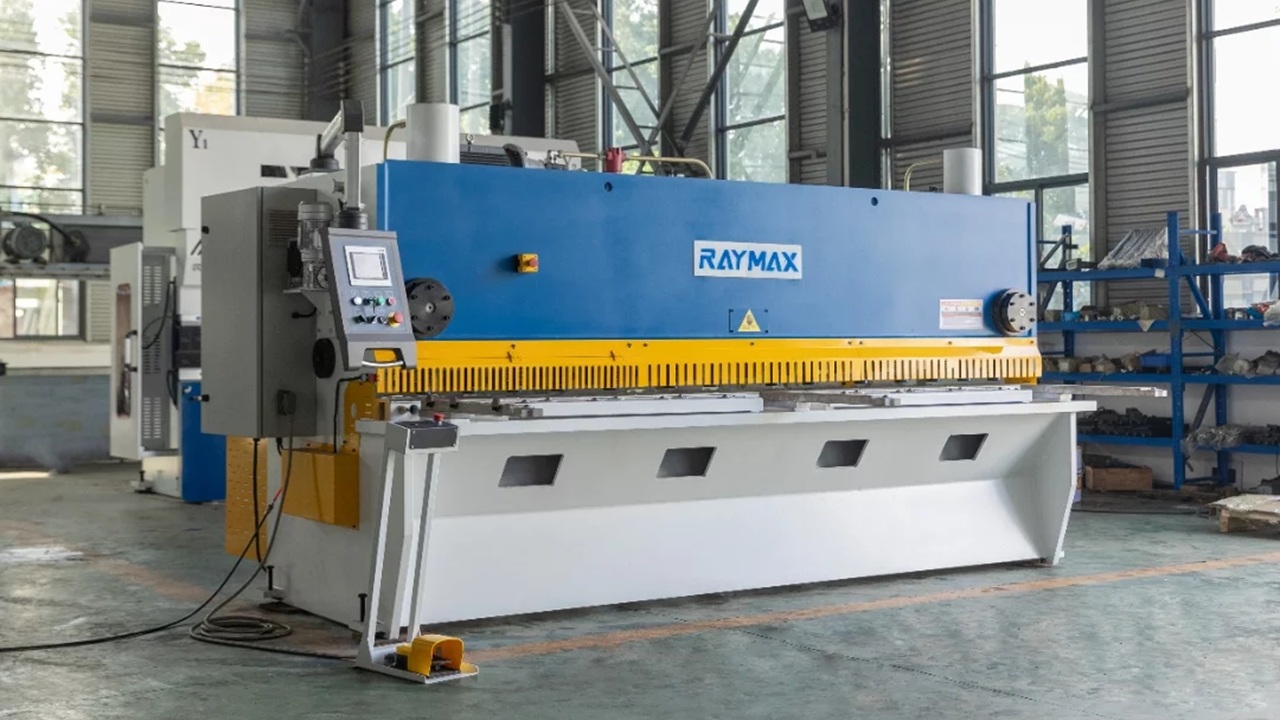
Regarding the bending process using press brakes, the focus is on the tools, tonnage, and angles. It is essential not to underestimate the importance of the backgauge as it also performs its own functions, which ensure the creation of the component with accurate dimensions. Although all the angles are precisely adjusted, if the backgauge setting is wrong, then the dimensions of the component will be wrong too. Though such problems may not show up immediately as the machine works just fine, they will cause defective products and frequent adjustments. Check out https://www.raymaxtech. com to get more knowledge of the Raymax Press Brake.
What Backgauge Repeatability Means
Repeatability of backgauges refers to their ability to remain in the same place after performing the same task repeatedly. The press brake can be adjusted precisely once, but it cannot return to the same point. This small shift may not be enough to reach a few millimeters, but it still affects the dimensions of the whole product.
Why Small Position Errors Matter
Many sheet metal parts require multiple bends. If there is any slight variation in the initial position, then all the subsequent bends would also be affected. Consequently, such a minor variation in position will matter more and more as the process progresses further. This is especially true for situations in which electrical cabinets, brackets, frames, or enclosures must be positioned with precision, with multiple sides aligning correctly during assembly.
Multi-Bend Parts Reveal Problems Faster
Simple parts with only one bend may not immediately expose backgauge repeatability issues. Multi-bend parts are far more sensitive. When the dimensions between bends become inconsistent, operators may incorrectly assume the issue is due to material variation or bend angle settings. In reality, unstable positioning is often the cause of the problem.
Loose Mechanical Components
Over time, mechanical components inside the backgauge system can loosen due to constant movement and vibration. Lead screws, guide rails, mounting brackets, and fasteners may slowly develop movement. Even slight looseness can reduce positioning consistency. In systems such as those used on RAYMAX press brakes, regular inspection of these components helps reduce gradual accuracy loss.
Dirt and Debris Affect Movement
There are cases where dust, metal, and oil buildup can affect the backgauge’s operation. When debris accumulates on rails or moving surfaces, the backgauge may not stop at the exact programmed position every time. This happens especially in active manufacturing workshops where maintenance cannot be conducted regularly. Poor movement stability often begins with simple contamination problems.
Motor and Drive Wear
Backgauge systems depend on motors and drive components for positioning. As these parts wear, movement accuracy may slowly decline. The machine may still complete its motions normally, but repeatability becomes less stable. Operators often notice this first through random dimensional variation rather than obvious machine alarms.
Operators Often Compensate Manually
When there is variation in the readings, operators tend to make manual corrections to keep the pieces within tolerance. This may act as a temporary measure, but it only hides the true cause of the problem. Different operators will make different corrections, thereby leading to more inconsistencies between shifts and production batches.
Assembly Problems Appear Later
Backgauge repeatability issues do not always create immediate bending defects. In many cases, parts appear acceptable during production but fail during assembly. Holes may not line up correctly, covers may not close evenly, or welded sections may require force to fit together. These hidden issues increase rework time and material waste.
Long Parts Are More Sensitive
Long workpieces are more affected by positioning variation because even small errors become amplified across greater distances. If the backgauge does not maintain stable positioning across repeated cycles, dimensional differences become more noticeable on larger parts. Manufacturers such as RAYMAX often emphasize repeatability testing during machine setup and maintenance procedures to ensure consistent results.
Routine Verification Is Important
Backgauge repeatability should not be checked only when problems arise. Regular verification helps identify small positioning changes before they affect production quality. Standard test parts can be used to compare dimensions over time. If repeated measurements begin drifting, maintenance can be performed before larger problems develop.
Production Speed Can Hide Issues
In high-volume production, repeatability problems may remain unnoticed because operators focus on keeping output moving. Parts may pass quick visual inspection while dimensional variation slowly increases. The real cost often appears later through rejected assemblies, customer complaints, or additional fitting work.
Conclusion
Backgauge repeatability problems are often hidden because the machine may continue running without an obvious failure. However, even small positioning variations can gradually affect dimensional accuracy, assembly fit, and production stability. Such problems are even more problematic for multi-bend components and long products, for which accuracy is crucial. Frequent inspection and cleaning will help prevent such situations and maintain constant manufacturing quality. Shops using modern systems such as RAYMAX press brakes still need consistent maintenance practices to maintain reliable repeatability over long production cycles.